
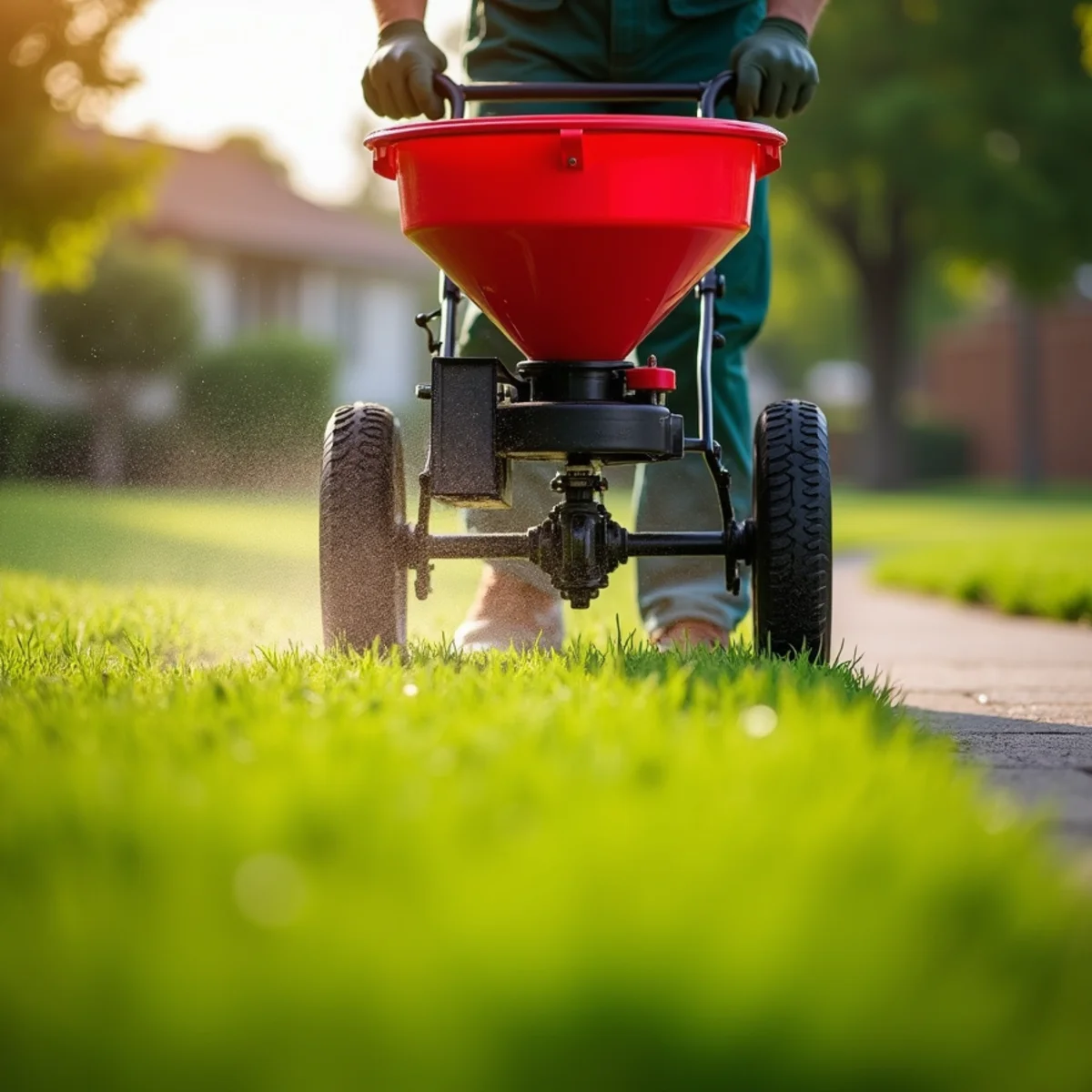
Wichita's native soil is predominantly heavy, alkaline clay—often referred to locally as "Wichita gumbo." While clay soil retains moisture and holds mineral nutrients well, it binds tightly to phosphorus and struggles with drainage and aeration. When you combine this dense soil with Kansas's notorious heat, fluctuating humidity, and aggressive native weeds, off-the-shelf "weed and feed" bags from big-box stores simply cannot provide the customized care your lawn demands.
Grass Monkey Lawn Care provides a scientifically sequenced, 6-step fertilization and weed management program designed specifically for South-Central Kansas turfgrasses. We do not believe in indiscriminate blanket chemical spraying. Our certified technicians evaluate your lawn's specific weed population, grass cultivar, and soil conditions to apply the exact right formulation at the precise agronomic moment.
The Spring Window: Stopping Weeds Before They Surface
The single most critical step in Kansas weed management happens in early spring. Crabgrass, foxtail, and goosegrass seeds lie dormant in your soil throughout the winter. As soon as soil temperatures at a 2-inch depth sustain 55°F for several consecutive days, those seeds germinate. Our spring application deploys a microscopic chemical barrier across the topsoil that neutralizes germinating weed seedlings before they can emerge.
At the same time, we apply a balanced, slow-release nitrogen formulation with essential micronutrients (including chelated iron) that gives your lawn a steady greening boost without inducing hyper-growth that would make grass susceptible to fungal blight during spring rain showers.
Eradicating Tenacious Kansas Broadleaf Weeds
Dandelions, white clover, dollarweed, prostrate spurge, and henbit are resilient competitors that rob your turf of moisture and nutrients. Our targeted liquid broadleaf applications utilize professional-grade, selective systemic herbicides that travel down into the root crown of the weed, killing it completely while leaving your turfgrass unblemished.
Fall Winterizer: The Foundation of Next Year's Green
Many homeowners stop caring for their lawn in September when temperatures drop. In reality, autumn is the most vital feeding window for cool-season Tall Fescue. As ambient temperatures cool, top-growth slows, but root activity surges. Our late fall winterizer fertilizer drives energy downward into the root zone, storing carbohydrates that allow your lawn to survive sub-zero Kansas winter freezes and emerge thick, green, and weed-resistant the following March.