
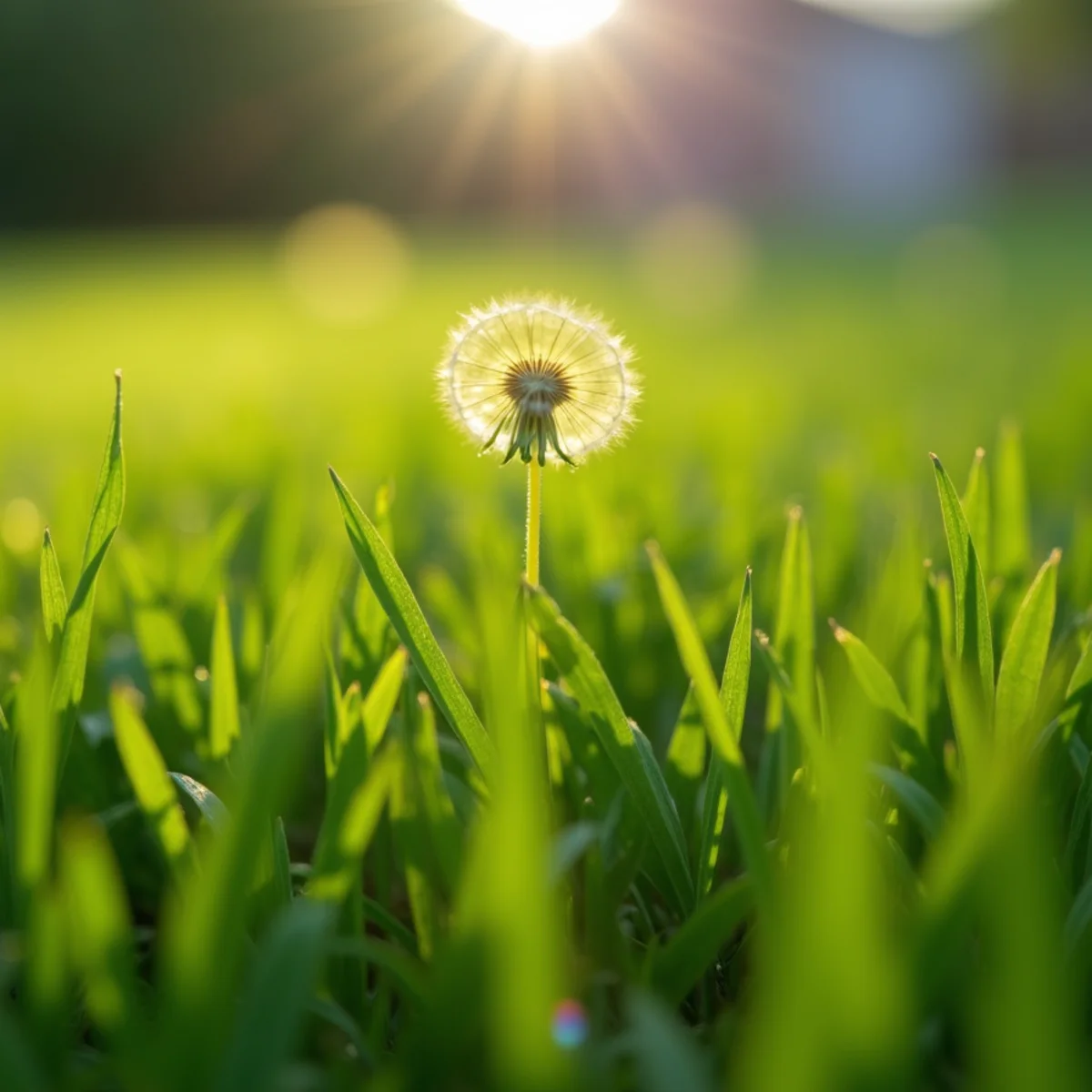
Weeds are not just an aesthetic annoyance; they are aggressive botanical opportunistic invaders that compete with your turfgrass for sunlight, water, and essential soil nutrients. If you have ever spent hours pulling dandelions in April only to watch crabgrass completely take over your lawn borders by July, you know that random weed spraying rarely works.
To achieve a clean, weed-free lawn in Wichita, you must understand the life cycle of Kansas weeds and exploit their vulnerabilities at the right time of year.
The Three Common Culprits in Sedgwick County 1. Winter Annuals (Henbit & Chickweed): These weeds germinate in October and November when fall rains arrive. They lie dormant through the winter freeze and explode with purple flowers in late February and March before dying off when summer heat arrives. 2. Summer Annuals (Crabgrass, Foxtail & Spurge): These weed seeds wake up when soil temperatures sustain 55°F in spring. A single mature crabgrass plant can drop 10,000 viable seeds, waiting to sprout in thin, scalped, or under-watered turf during July. 3. Perennial Broadleafs (Dandelions, Clover & Plantain): Perennials form deep, fleshy taproots that store carbohydrates underground. Pulling off the yellow flower head does nothing; the root simply regenerates fresh leaves within days.
The Secret: Pre-Emergent Chemical Barriers The single most cost-effective tool in weed management is pre-emergent herbicide. Pre-emergents do not kill existing weeds; they form a microscopic vapor barrier across the top half-inch of topsoil. When a weed seed germinates and attempts to send out its first root radicle, the herbicide disrupts cell division, killing the seedling before it ever breaks through the surface.
In Wichita, timing this barrier between March 15 and April 15 is non-negotiable. If you wait until you see crabgrass leaves, the seed has already rooted, and you are forced to use expensive post-emergent selective sprays.
Cultural Defense: Mowing High Shuts Out Weed Sunlight Chemicals are only half the battle. A thick, healthy stand of grass is the best natural weed preventer on earth. Weed seeds require soil contact and sunlight to sprout. If you scalp your lawn at 2 inches during summer, sunlight hits the bare clay, triggering millions of dormant weed seeds.
When you raise your mower blades to 3.5 to 4 inches for Tall Fescue, the dense turf canopy casts deep shade over the soil, keeping the root zone cooler and starving weed seedlings of the sunlight they need to survive.