
D - Local Specific Guide

Lawn Care Calendar for Sedgwick County: Month-by-Month

By Grass Monkey Team·2026-05-15·9 min read
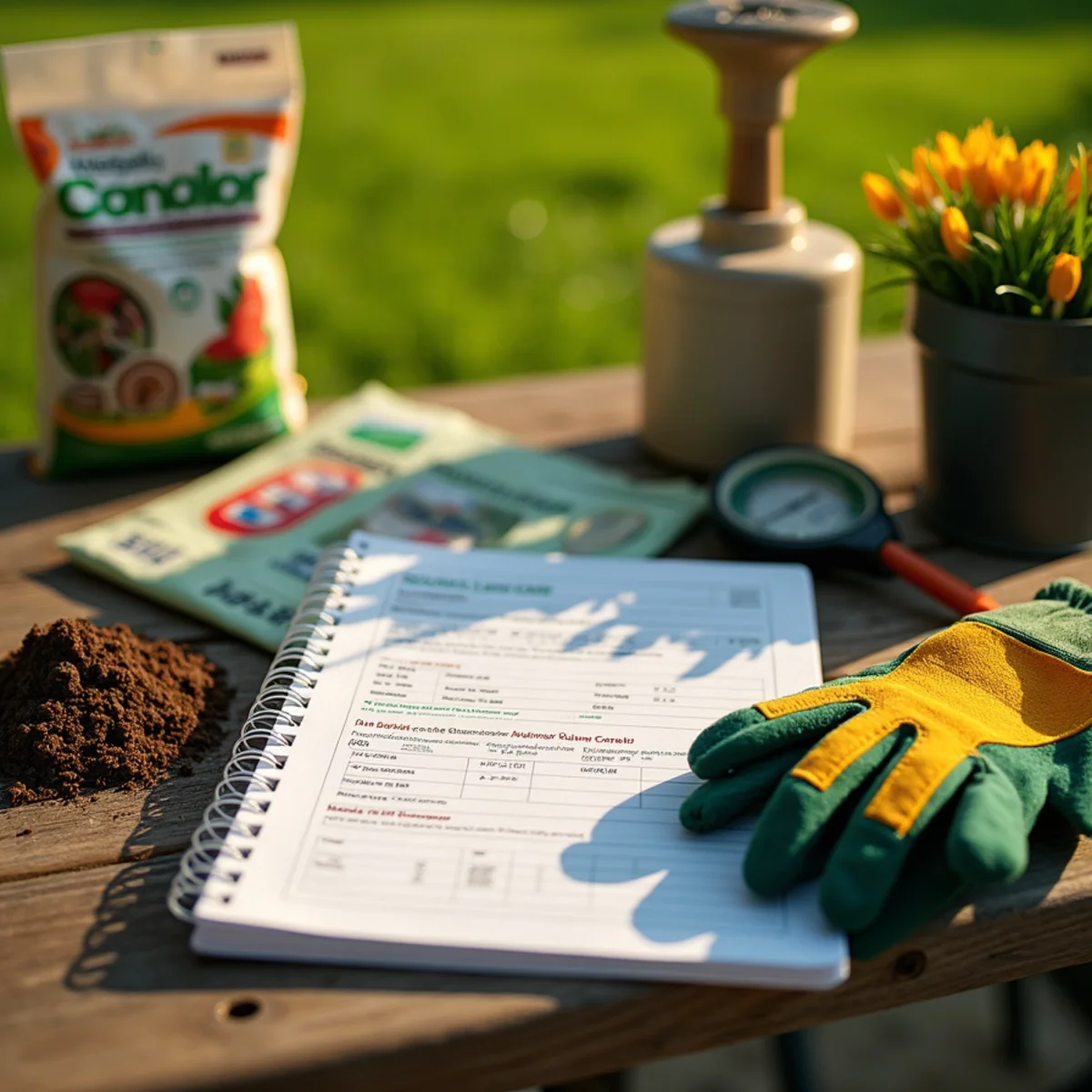
Calendar graphic with four seasons of lawn care steps for Sedgwick County Wichita KS
Direct Answer & Quick Takeaway

Your definitive month-by-month checklist for mowing, fertilization, weed prevention, aeration, and winterization tailored specifically to South-Central Kansas. In South-Central Kansas, successfully addressing sedgwick county lawn care requires understanding Sedgwick County clay soils, local watering windows, and seasonal transition-zone growth cycles rather than generic lawn advice.

Timing is everything in Kansas turf management. Applying pre-emergent herbicide two weeks too late allows crabgrass to sprout; seeding cool-season fescue in late spring guarantees summer seedling mortality.

Use this field-tested, month-by-month agronomic calendar engineered specifically for Sedgwick County and the Wichita metropolitan area.

Early Spring (March – April) - Mid-March: Apply first round of crabgrass pre-emergent before soil temps hit 55°F. Inspect sprinkler system for freeze fractures. - Early April: First regular lawn cut. Sharpen mower blades. Spot-treat emerging broadleaf weeds (dandelions, henbit). - Late April: Second pre-emergent booster application to extend crabgrass defense through August.
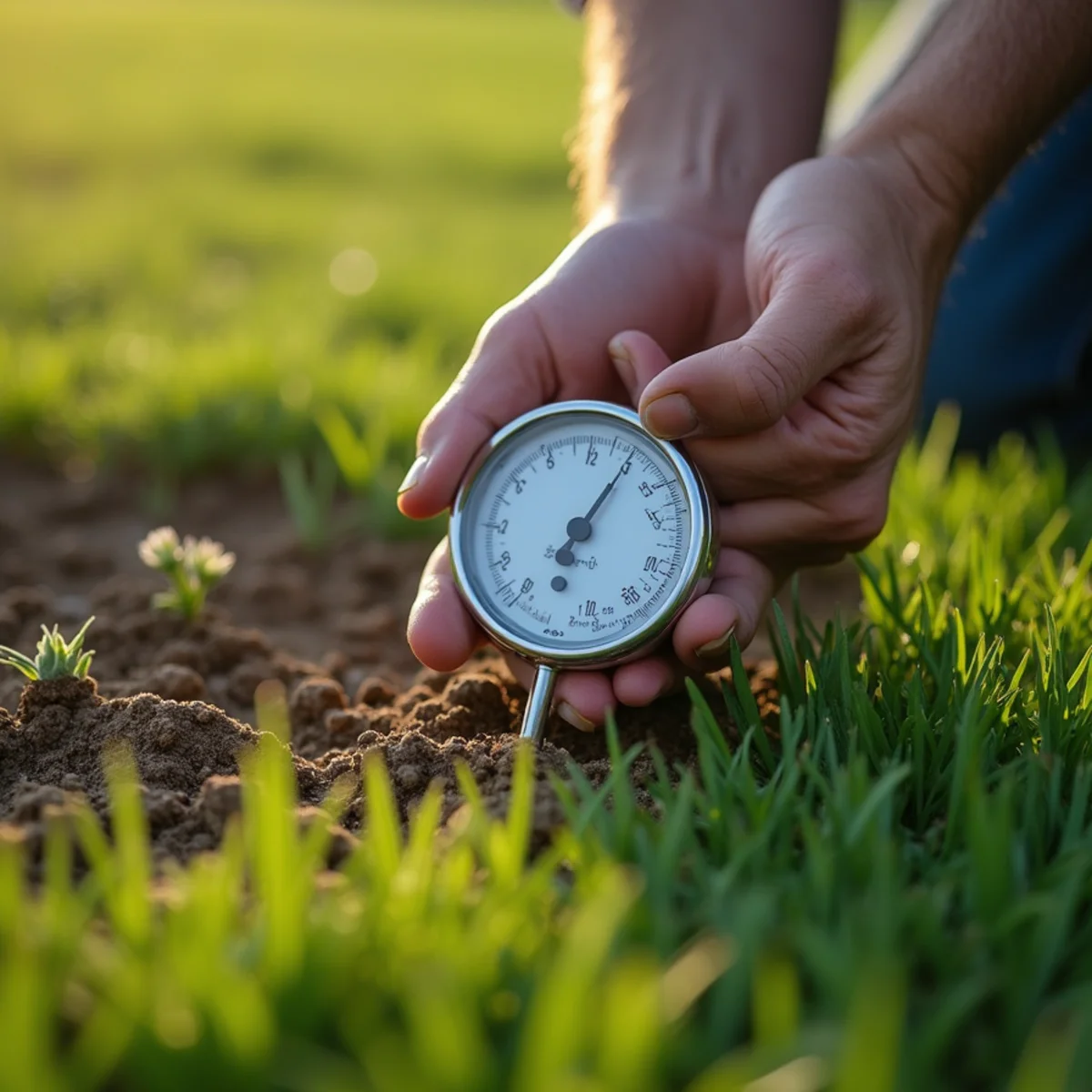
Technician applying early spring pre-emergent herbicide to Sedgwick County lawn

Late Spring & Early Summer (May – June) - May: Raise mower deck height for Tall Fescue to 3.5 inches. Apply slow-release balanced fertilizer and iron. - June: Apply preventative grub control (chlorantraniliprole) before June beetles and masked chafers lay eggs. Begin auditing irrigation coverage.
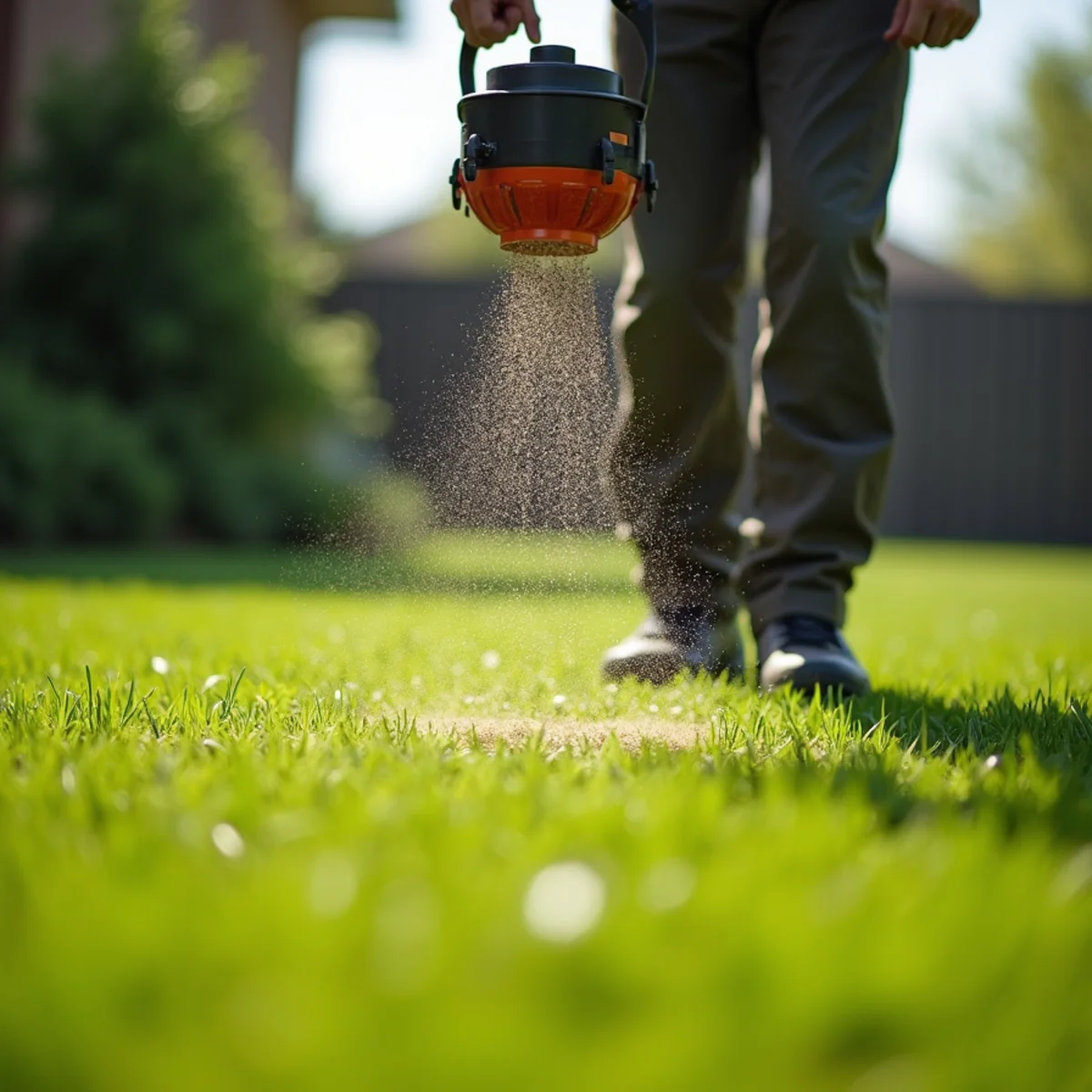
Spreading preventative grub control and slow-release fertilizer on green Wichita lawn in late spring

Peak Summer (July – August) - July: Raise mower decks to maximum height (3.5–4 inches). Water fescue deeply using the cycle-and-soak method (1.5 inches per week). Never apply high-nitrogen fertilizers. - August: Check for summer stress or grub damage. Flag underground irrigation heads in preparation for fall aeration.
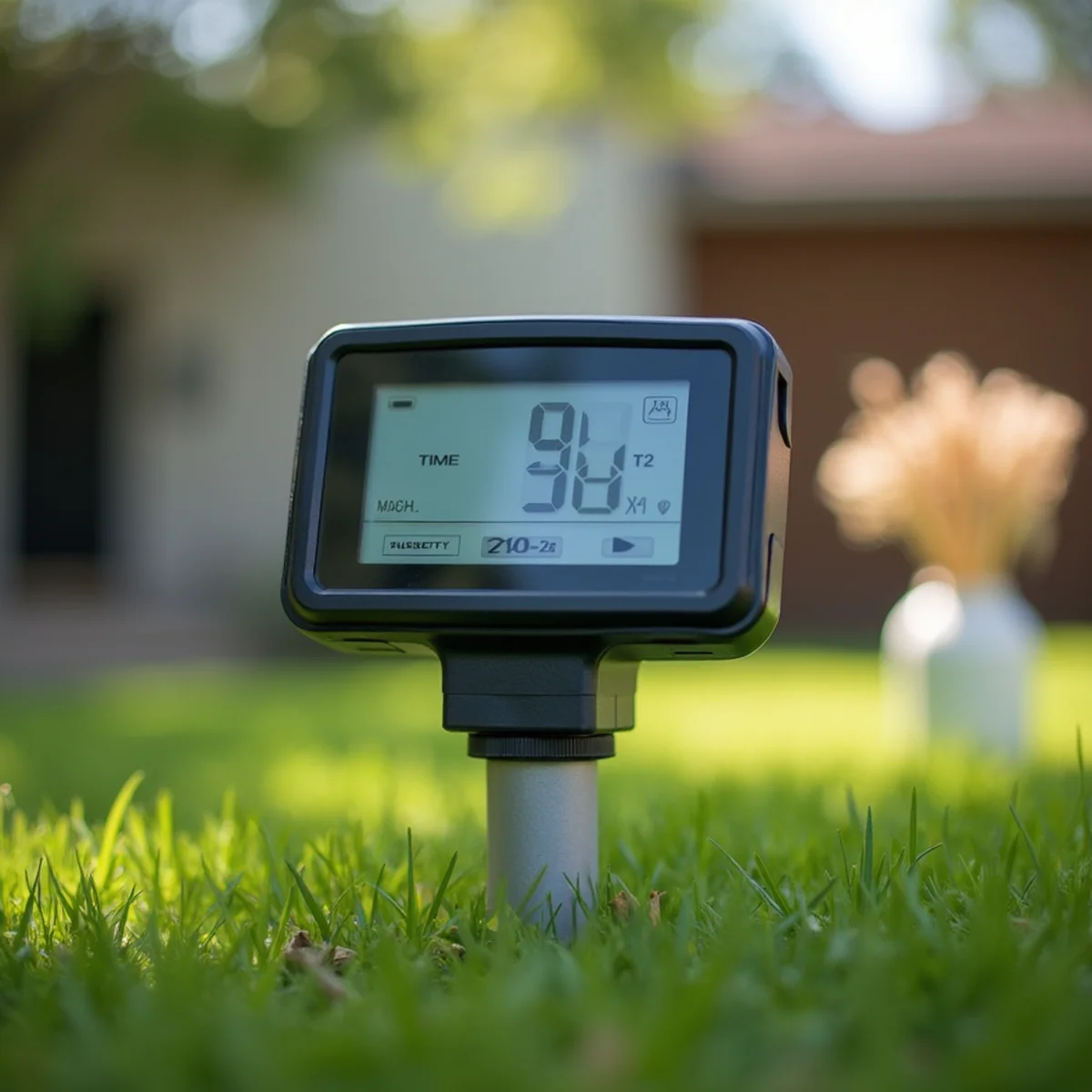
Cycle-and-soak sprinkler schedule watering heat-stressed turf in hot Wichita July

Autumn Rejuvenation (September – October) - September 1 – October 15: The golden window. Perform mechanical core aeration and overseed with Kansas State University-tested Tall Fescue blends. Apply starter fertilizer. - October: Lower mower decks slightly (to 3 inches) as growth slows. Apply fall broadleaf weed control.

Mechanical core aerator pulling soil plugs on residential lawn in September in Sedgwick County

Winter Prep (November – February) - Early November: Apply heavy nitrogen winterizer fertilizer to drive root carbohydrate storage through winter freezes. - Mid-November: Mandatory sprinkler system compressor blowout before hard freezes arrive. - December – February: Winter equipment maintenance, dormant tree pruning, and on-call snow removal.
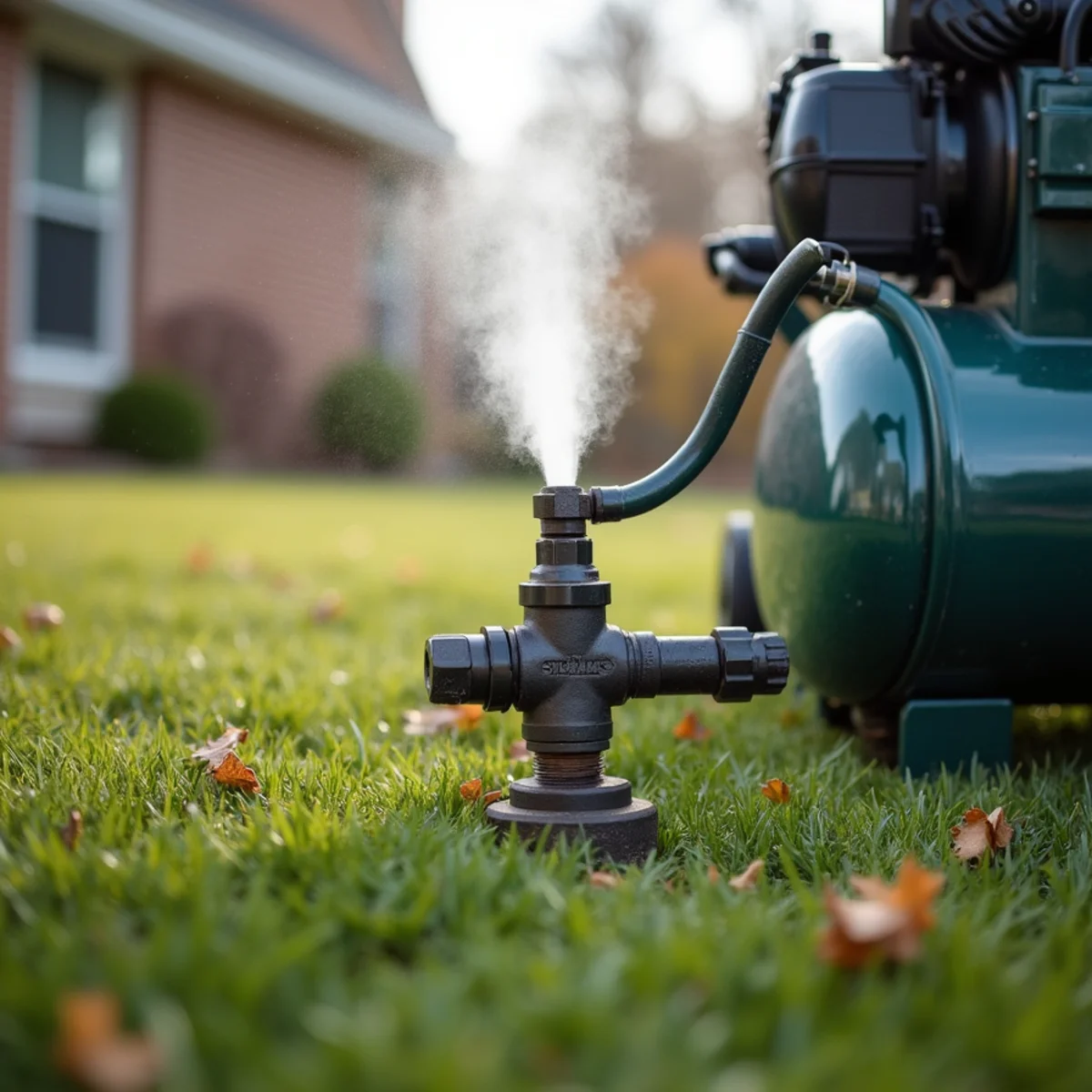
Irrigation compressor blowing winter water vapor out of sprinkler heads in Sedgwick County

Sedgwick County Turf Management Annual Matrix | Season / Window | Primary Agronomic Goal | Target Chemical / Fertilizer Formulation | Mower Cutting Height | |---|---|---|---| | March 15 – April 10 | Crabgrass Pre-Emergence | Prodiamine or Dithiopyr + 15-0-5 slow release | 3.0" – 3.25" | | April 20 – May 20 | Broadleaf Control & Density | Trimec / 3-way broadleaf herbicide + chelated iron | 3.5" | | June 1 – June 25 | Grub & Chinch Bug Defense | Chlorantraniliprole (Acelepryn) preventative | 3.5" – 4.0" | | July & August | Drought & Fungus Protection | Zero nitrogen; potassium silicate (0-0-28) stress coat | 4.0" (Maximum) | | Sept 1 – Oct 15 | Aeration & Core Overseeding | Certified NTEP Tall Fescue + 18-24-12 starter fertilizer | 3.5" | | Oct 20 – Nov 15 | Late Broadleaf & Winterizer | 32-0-8 high-nitrogen root fuel + slow release | 3.0" (Winter clean cut) |

Field Perspective from Owner Keynan

Practical Sedgwick County Turf Guidelines

In our 10 years caring for residential lawns across Wichita, Maize, Goddard, and Derby, the single biggest differentiator between a struggling yard and an emerald turf is adherence to regional Kansas timing:

Mowing Height Protocol:Raise deck to 3.5–4 inches on Fescue during 90°F+ Kansas heatwaves to insulate root crowns and prevent moisture loss.
Water-Smart Schedule:Align irrigation with City of Wichita odd/even address schedules and observe the 10 AM–6 PM daily sprinkler ban.
Aeration & Clay Relief:Mechanical hollow-tine aeration in September is non-negotiable for relieving dense Wichita gumbo clay compaction.
Pesticide Certification:Ensure any chemical weed or grub treatments are applied by Kansas Dept. of Agriculture Category 3A/3B certified technicians.
Clear & Honest Answers

Common Questions Answered in This Guide

Quick takeaways regarding this lawn care topic.

Wichita sits in the USDA Transition Zone with summer temperatures frequently exceeding 100°F and heavy alkaline clay soils. This requires customized timing, cycle-and-soak watering, and blade height management to maintain healthy turf.
GM
Published by Grass Monkey Lawn Care
Locally owned and operated by Keynan at 21st and Tyler in Wichita, KS since 2015. Certified by the Kansas Department of Agriculture (Cat 3A/3B) and carrying $2,000,000 commercial liability coverage.
Reliable Wichita Service Guaranteed

Need Help with Your Lawn in Sedgwick County?

Don't spend your weekend wrestling with lawn problems. Call Grass Monkey at 1-323-606-0255 or request a fast written estimate online.

Serving Wichita Since 2015
Licensed & Fully Insured
2-Hour Call/Text Response
No Hidden Contract Fees
Call 323-606-0255Get Free Quote