As Kansas winters give way to March sunshine, Wichita lawns begin awakening from winter dormancy. How you care for your turf during the initial 4 to 6 weeks of spring dictates how well your grass will withstand scorching summer heat four months later.
Follow this 5-point transition-zone spring prep checklist:
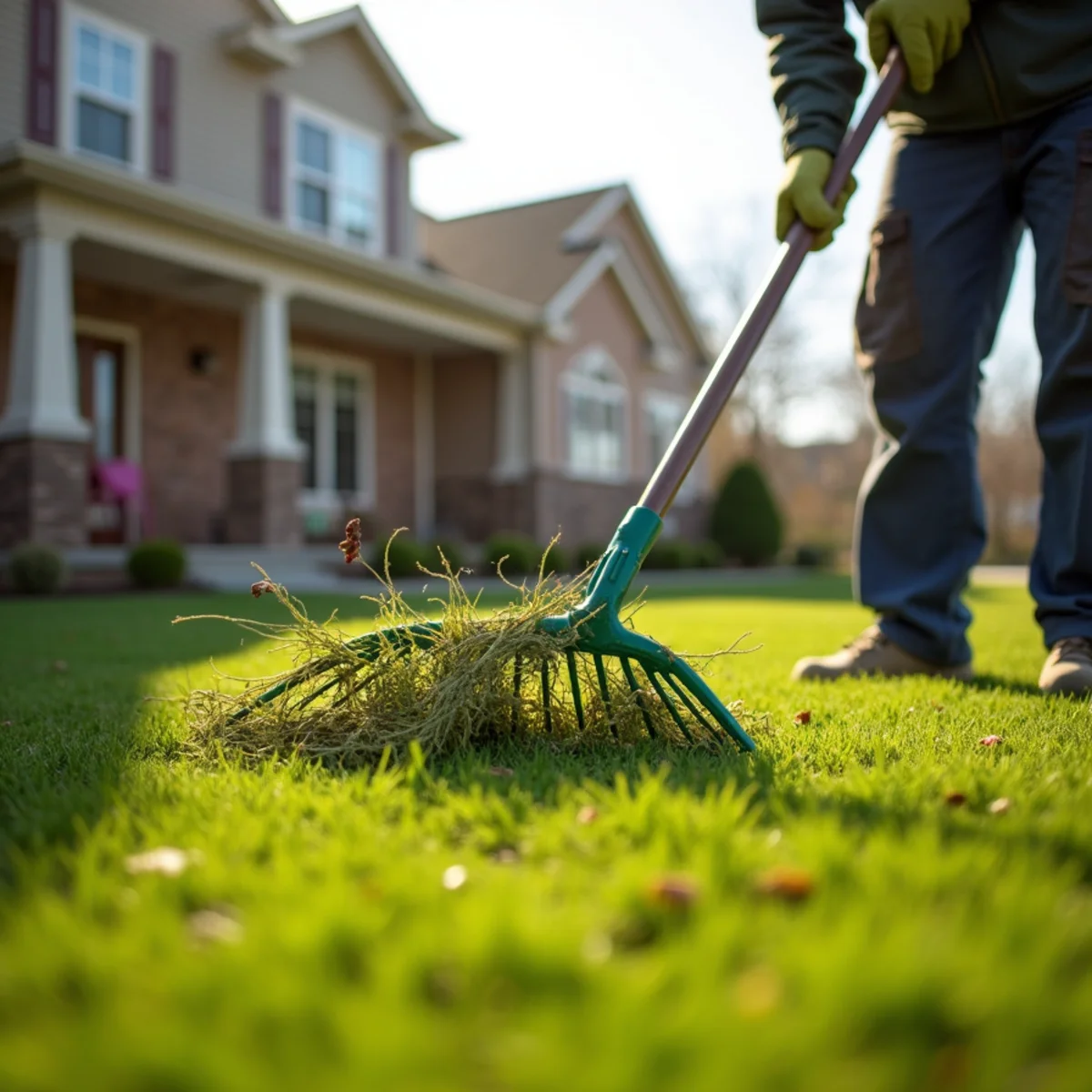
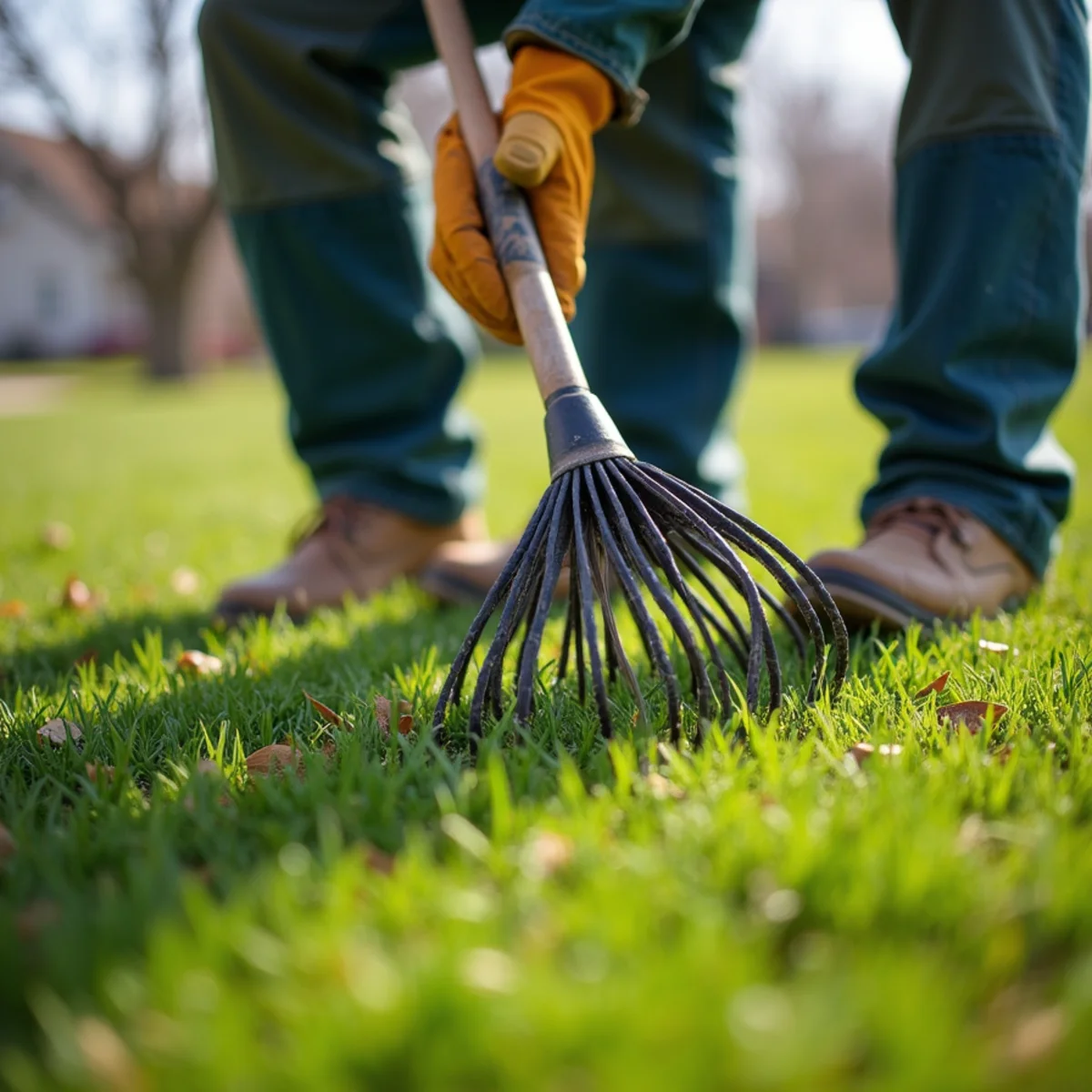
1. Perform a Thorough Spring Clean-Up Clear away fallen winter tree branches, storm twigs, and accumulated leaves matted down in corners and flowerbeds. Rake lightly to lift grass blades matted by snow, which deters snow mold fungus and improves air circulation.
2. Service Your Mower Before the First Cut Never start the season with dull, rusted blades. A dull blade rips grass tips, leaving ragged brown edges that invite fungal infection. Install fresh or sharpened blades, change engine oil, clean air filters, and set mower height to 3.5 inches for your first spring fescue cut.

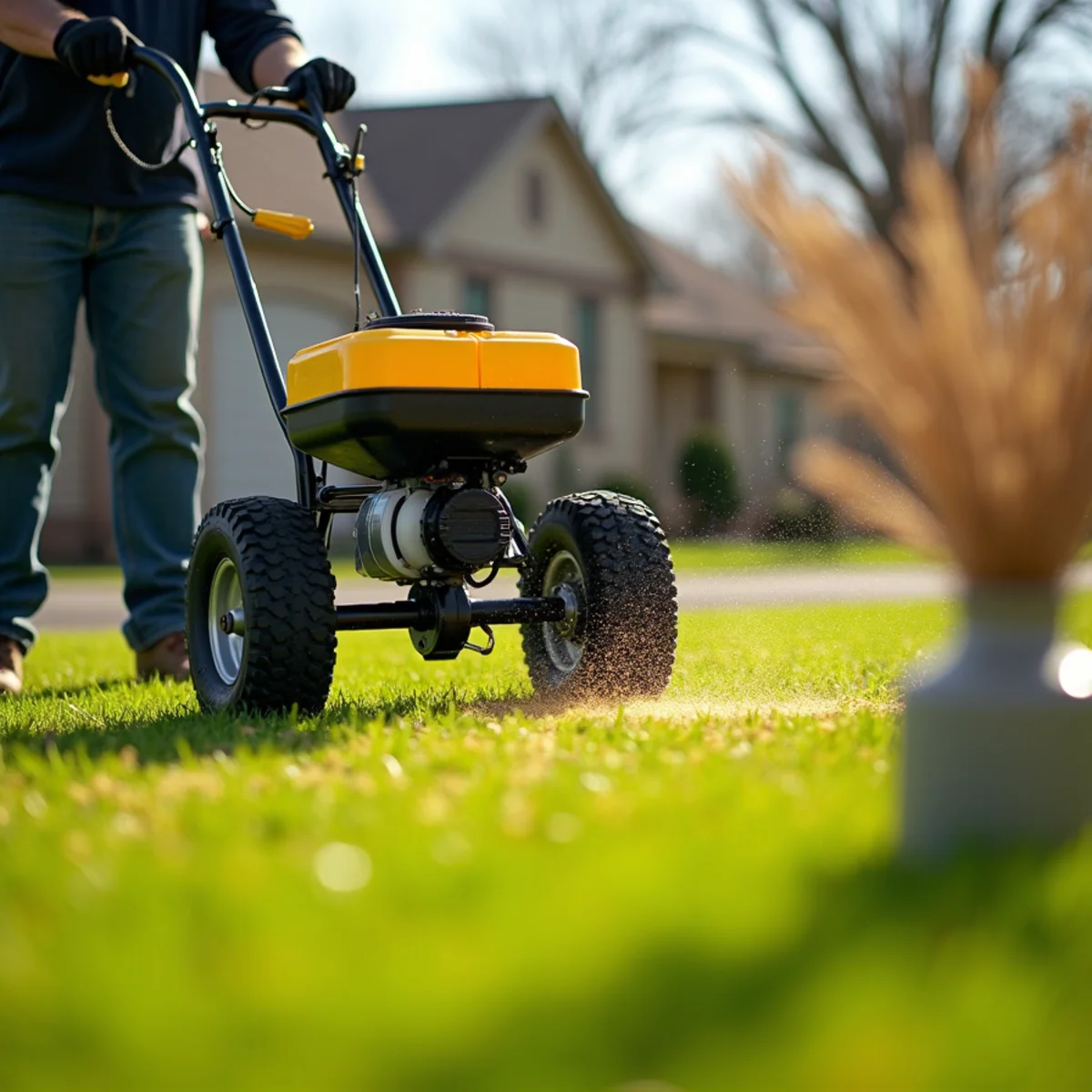
3. Apply Crabgrass Pre-Emergent at 55°F Soil Temps Track local soil temperatures using the K-State Mesonet station. When temperatures at a 2-inch depth sustain 55°F for three consecutive days (typically late March or early April in Sedgwick County), apply your first round of crabgrass pre-emergent herbicide.
Sedgwick County Spring Soil Temperature Milestones | Soil Temperature (2" Depth) | Typical Calendar Date | Agronomic Action Required | Kansas Extension Risk If Skipped | |---|---|---|---| | 45°F – 50°F | Early to Mid-March | Clean winter debris, tune mowers, soil testing | Henbit and chickweed spread uncontrolled | | 55°F (Critical Barrier) | Late March – Early April | Apply Crabgrass Pre-Emergent #1 | Crabgrass and foxtail seeds germinate | | 60°F – 65°F | Mid to Late April | Broadleaf weed spot-treatment, second pre-emergent | Dandelions and clover bloom and set seed | | 70°F+ | Mid-May | Apply preventative grub control (chlorantraniliprole) | White grubs destroy turf root systems by August |
4. Check for Heavy Soil Compaction If winter snow plowing or foot traffic compacted high-use areas of your yard, mark them for aeration or aerate bare patches to allow spring moisture to penetrate.

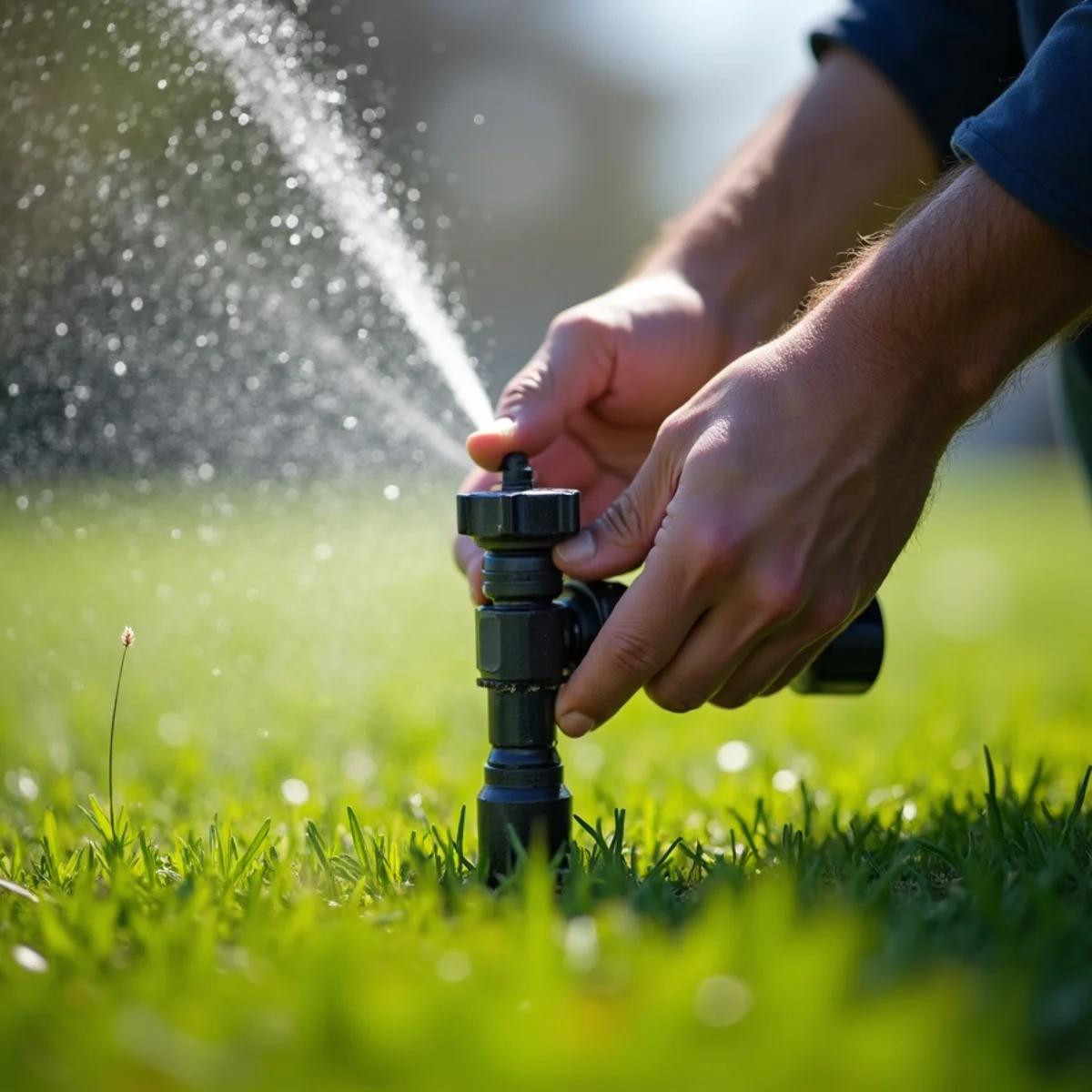
5. Inspect Sprinkler System Slowly When turning on outdoor irrigation in spring, open main valves slowly to purge air and avoid water hammer that can blow off fittings. Inspect every head for proper elevation and clean rotation.