New Build in Maize or Goddard? Establishing a Lawn on Fill Dirt
By Grass Monkey Team·2026-06-01·7 min read
Direct Answer & Quick Takeaway
New subdivisions in Maize and Goddard leave homes sitting on stripped, compacted subsoil clay. Here is how to condition fill dirt and build a thriving lawn. In South-Central Kansas, successfully addressing new lawn on fill dirt requires understanding Sedgwick County clay soils, local watering windows, and seasonal transition-zone growth cycles rather than generic lawn advice.
The northwest and west Wichita corridors—especially Maize and Goddard—have seen explosive residential development over the past decade. Subdivisions off Maize Road, 119th Street, and Kellogg Avenue offer beautiful modern homes. However, new homeowners are often stunned by the state of their yard on move-in day.
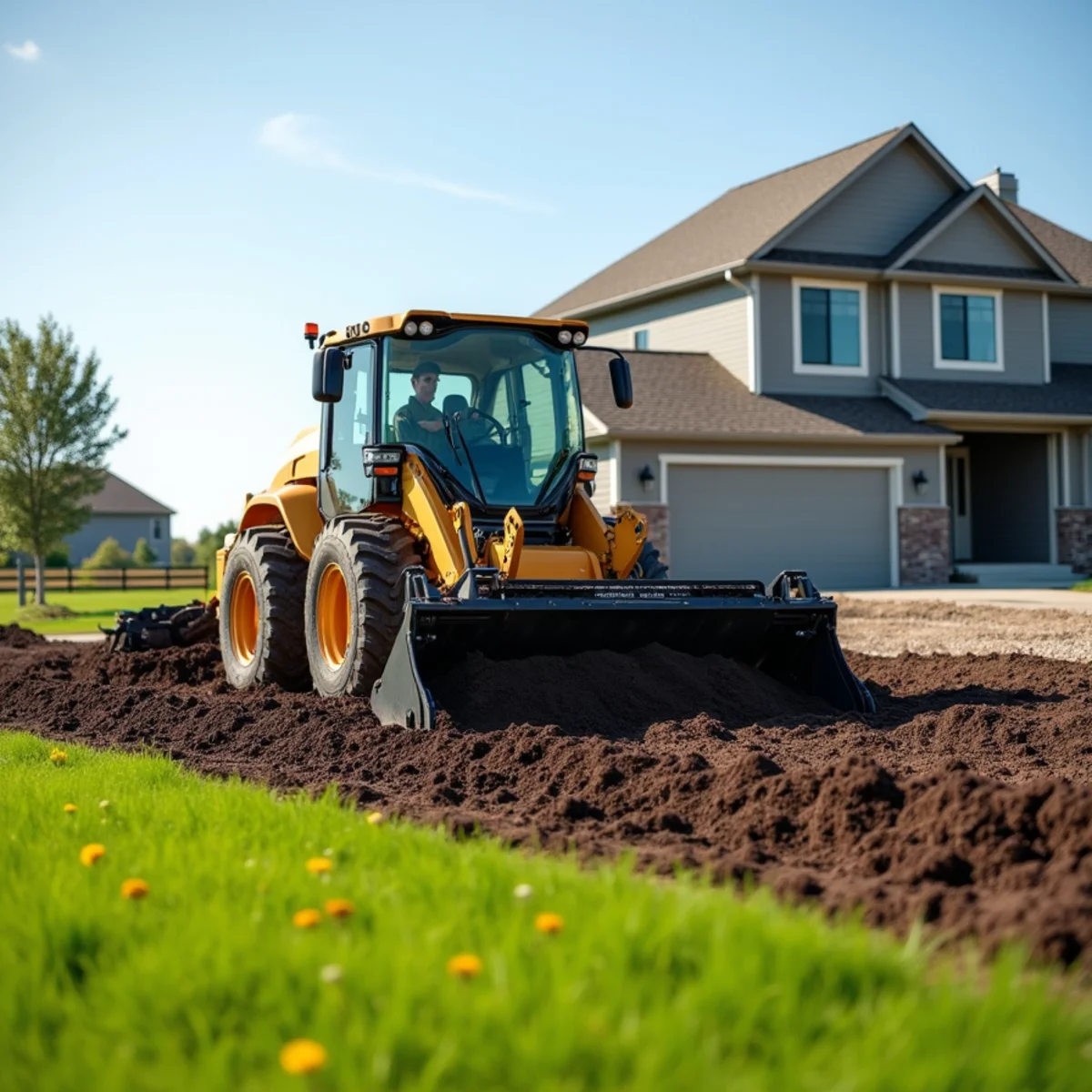
During construction, developers scrape away the precious organic topsoil layer to grade pads. Heavy bulldozers, cement mixers, and framing trucks drive repeatedly over the ground, compressing the subsoil into a rock-hard layer of stripped red clay.
If you lay sod or scatter seed directly on raw construction fill dirt, your lawn will struggle with shallow roots, rapid summer browning, and constant drainage problems. Here is the exact process we use to turn fill dirt into a lush lawn.
Step 1: Deep Rototilling & Decompaction
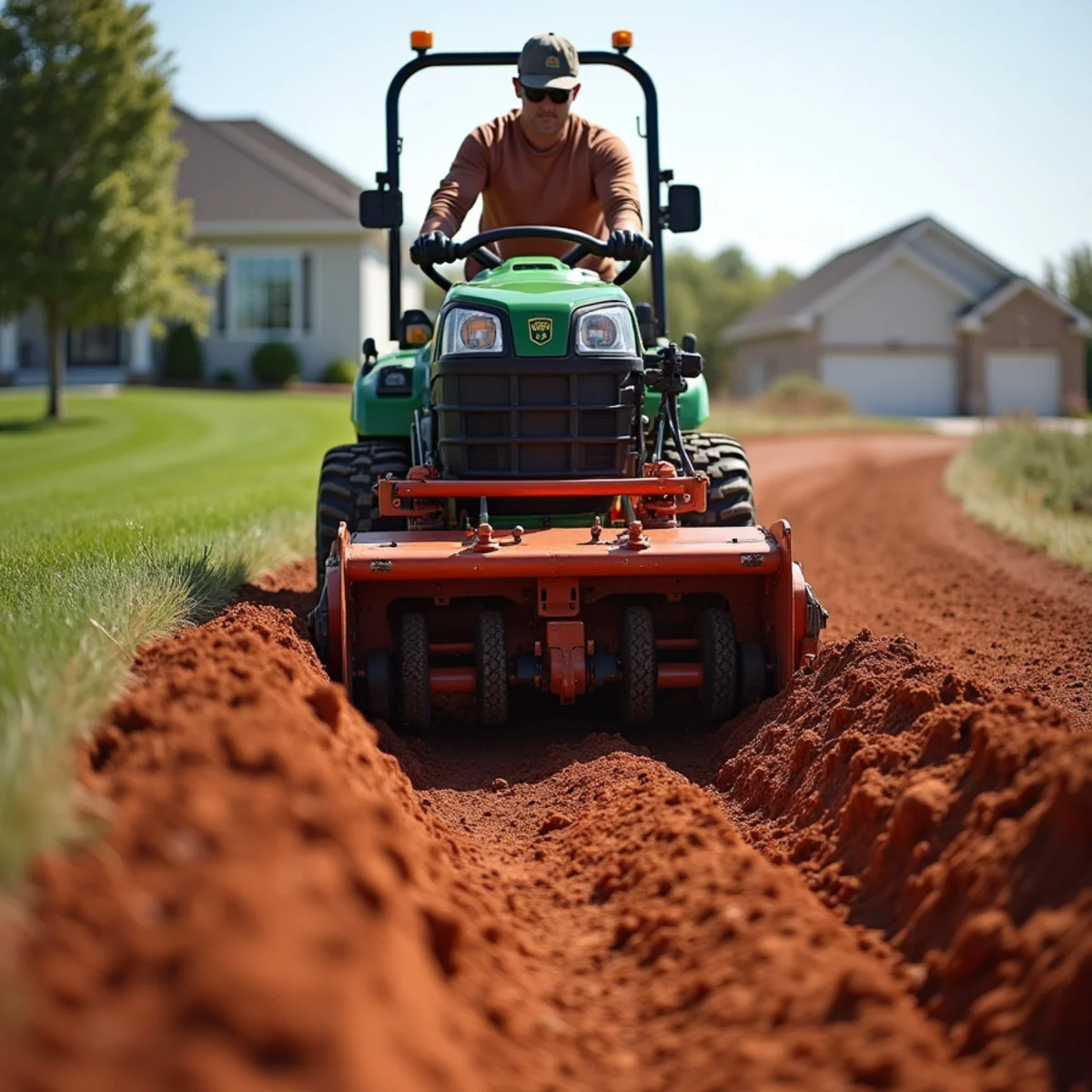
You cannot simply rake the surface. Our equipment rototills the top 4 to 6 inches of subsoil clay, shattering the hardpan layer created by construction traffic. This creates subterranean pore space for water drainage and future root expansion.
Step 2: Amending with Organic Topsoil & Compost
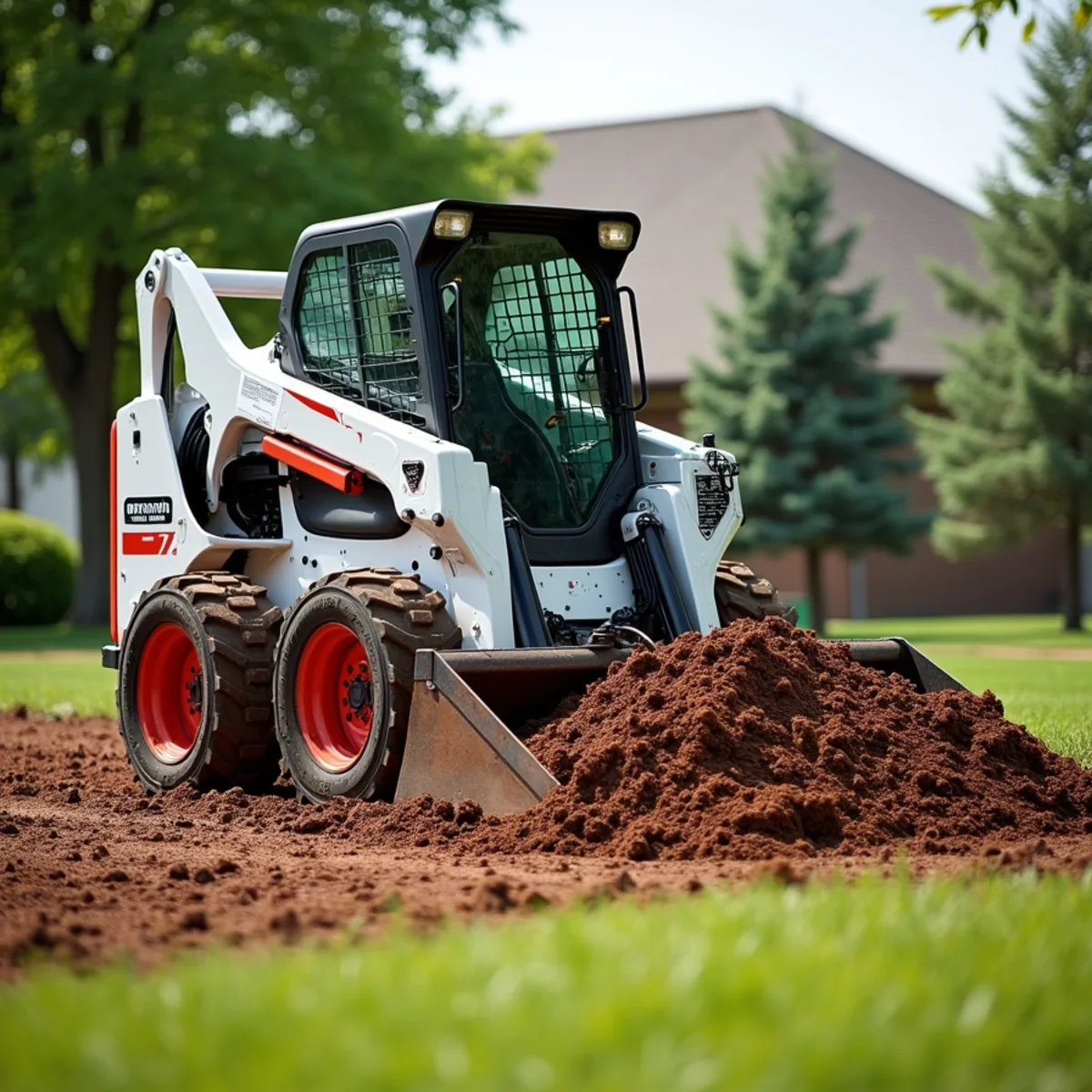
Raw fill dirt is virtually devoid of organic matter and beneficial soil biology. We blend in 2 to 3 inches of pulverized, nutrient-rich topsoil and well-rotted organic compost, rototilling it into the native clay. This permanently improves soil texture, buffering soil pH and allowing the dirt to hold moisture during hot Kansas summers.
Step 3: Finish Grading & Slope Correction
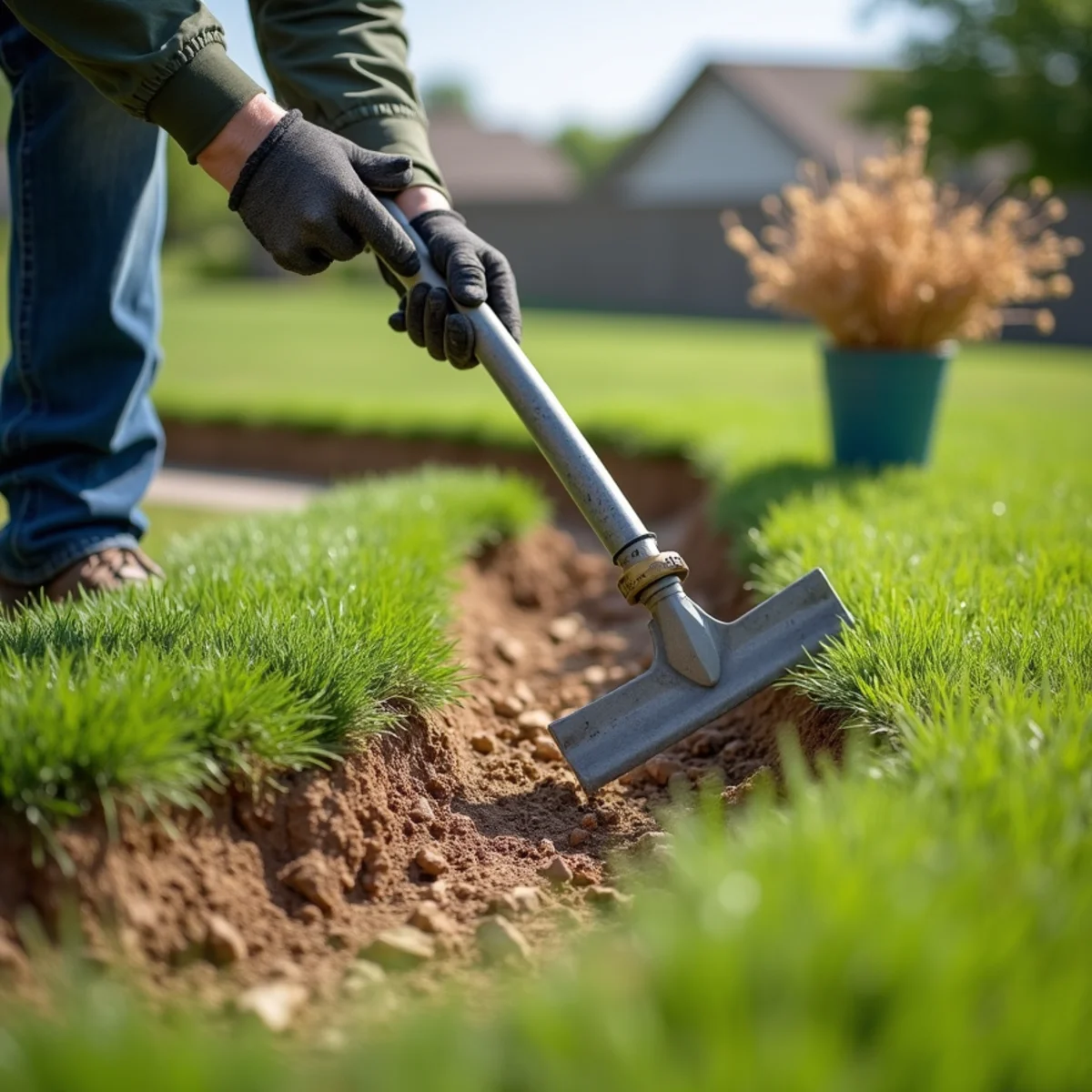
We use laser levels and landscape rakes to eliminate construction ruts, smooth out depressions, and sculpt gentle slopes directing storm runoff safely away from your home's foundation and basement egress windows.
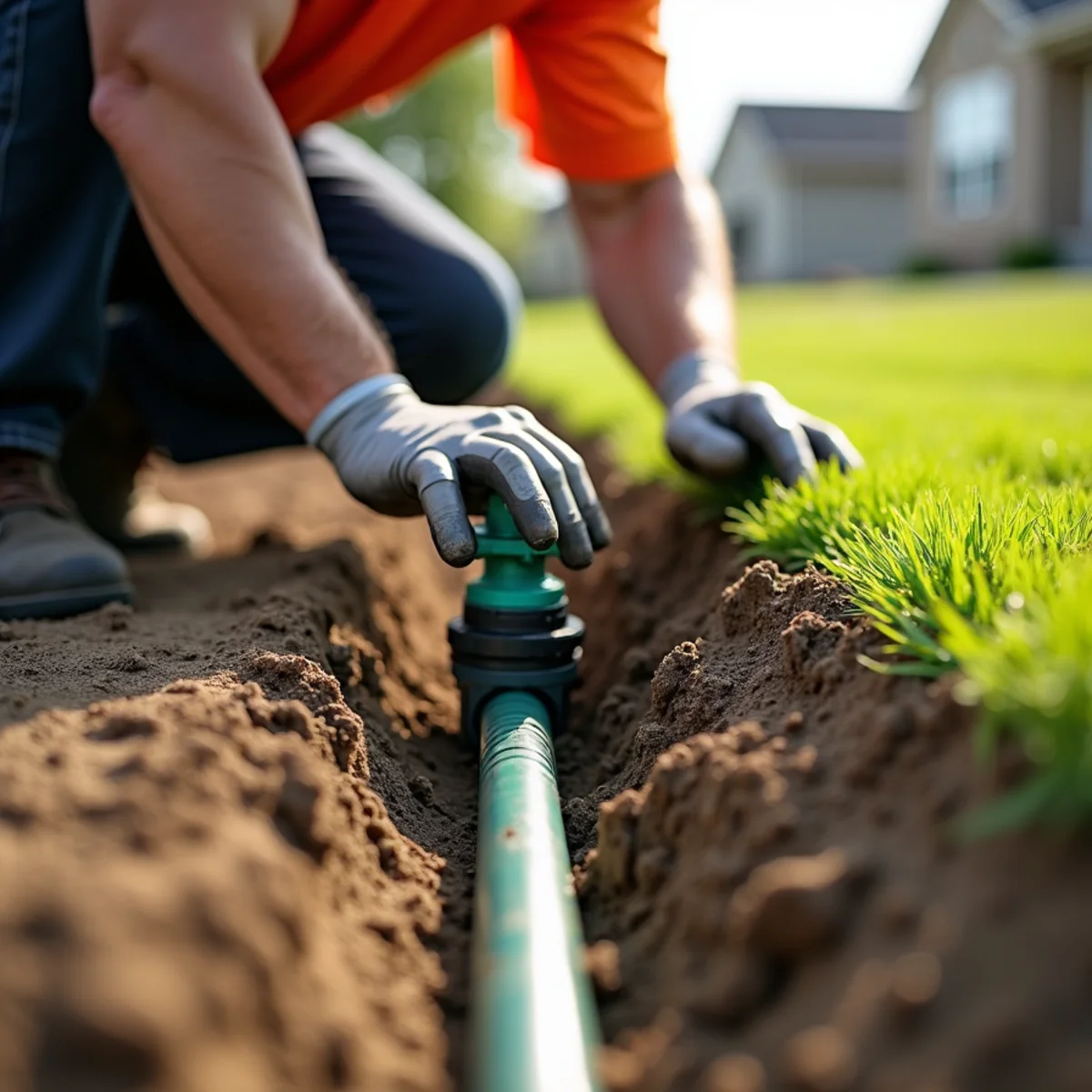
Step 4: Installing Automatic Irrigation
Attempting to establish a new lawn on raw soil with garden hoses is nearly impossible in Kansas heat. Installing a dedicated in-ground sprinkler system with head-to-head coverage guarantees that new sod or seed receives the exact, uniform hydration needed for root strike.
New Construction Turf Establishment Timeline (Fill Dirt to Established Lawn)
| Stage / Timeline | Key Physical Milestone | Soil & Water Protocol | Inspection Check |
|---|---|---|---|
| Weeks 1–2 (Soil Conditioning) | Shatter hardpan; rototill 4–6" | Incorporate 3" organic compost blend | Penetrometer reads < 200 PSI down to 6" |
| Weeks 3–4 (Irrigation & Grade) | Finish grade 2% positive slope | Trench and install Hunter/Rain Bird rotors | Pressure test backflow; verify 100% head-to-head overlap |
| Weeks 5–6 (Sod or Seed Installation) | Roll fresh Kansas Fescue sod | Water 3x daily (10–15 min/zone) | Roots knit to amended base; cannot be lifted by edges |
| Weeks 7–8 (First Mowing) | Grass reaches 4.5" height | Sharp blade cut back to 3.5"; zero bagging | Allow clippings to return natural nitrogen to young soil |
| Weeks 9–12 (Deep Root Weaning) | Transition to deep cycle-and-soak | Water 2–3 mornings per week; apply starter fertilizer | Roots penetrate 5"+ into native decomposed clay |
Field Perspective from Owner Keynan
Practical Sedgwick County Turf Guidelines
In our 10 years caring for residential lawns across Wichita, Maize, Goddard, and Derby, the single biggest differentiator between a struggling yard and an emerald turf is adherence to regional Kansas timing:
Mowing Height Protocol:Raise deck to 3.5–4 inches on Fescue during 90°F+ Kansas heatwaves to insulate root crowns and prevent moisture loss.
Water-Smart Schedule:Align irrigation with City of Wichita odd/even address schedules and observe the 10 AM–6 PM daily sprinkler ban.
Aeration & Clay Relief:Mechanical hollow-tine aeration in September is non-negotiable for relieving dense Wichita gumbo clay compaction.
Pesticide Certification:Ensure any chemical weed or grub treatments are applied by Kansas Dept. of Agriculture Category 3A/3B certified technicians.
Wichita sits in the USDA Transition Zone with summer temperatures frequently exceeding 100°F and heavy alkaline clay soils. This requires customized timing, cycle-and-soak watering, and blade height management to maintain healthy turf.
GM
Published by Grass Monkey Lawn Care
Locally owned and operated by Keynan at 21st and Tyler in Wichita, KS since 2015. Certified by the Kansas Department of Agriculture (Cat 3A/3B) and carrying $2,000,000 commercial liability coverage.
Reliable Wichita Service Guaranteed
Need Help with Your Lawn in Sedgwick County?
Don't spend your weekend wrestling with lawn problems. Call Grass Monkey at 1-323-606-0255 or request a fast written estimate online.